Innovative Solutions: Discovering the Convenience of Mass Containers in Different Industries
Mass containers have actually become a critical innovation throughout several markets. Their style improves storage space and transport efficiency, satisfying varied needs while promoting sustainability. Organizations in agriculture, production, and logistics report substantial enhancements in functional processes. The real degree of their impact might not yet be completely recognized. Discovering the different applications and advantages of mass containers can reveal understandings that improve sector standards. What lies in advance for this progressing solution?
Enhancing Agricultural Performance With Mass Containers
Exactly how can mass containers transform farming practices? In the domain of agriculture, mass containers act as a critical development, boosting effectiveness and sustainability. They make it possible for farmers to store and carry huge quantities of fertilizers, seeds, and grains, minimizing the demand for several smaller sized packages that frequently add to waste. By utilizing mass containers, agricultural procedures can maximize their supply chains, decreasing dealing with prices and time. These containers are created for simple loading and discharging, enabling for swift shifts between different stages of farming processes.
Additionally, mass containers promote far better stock monitoring, guaranteeing that producers have sufficient materials on hand without unwanted. This efficiency converts to minimized labor expenses and improved performance. In a market commonly challenged by varying demand and seasonal variants, the integrity and scalability provided by bulk containers offer a significant benefit, equipping farmers to concentrate on top quality and return.
Simplifying Manufacturing Processes Via Mass Solutions
Mass remedies play an important function in simplifying manufacturing processes by facilitating effective material handling and offering cost-efficient storage space alternatives. These containers assist preserve a well organized production atmosphere, eventually improving process and performance. As sectors progressively take on mass services, they are most likely to experience substantial improvements in functional efficiency.
Reliable Material Handling
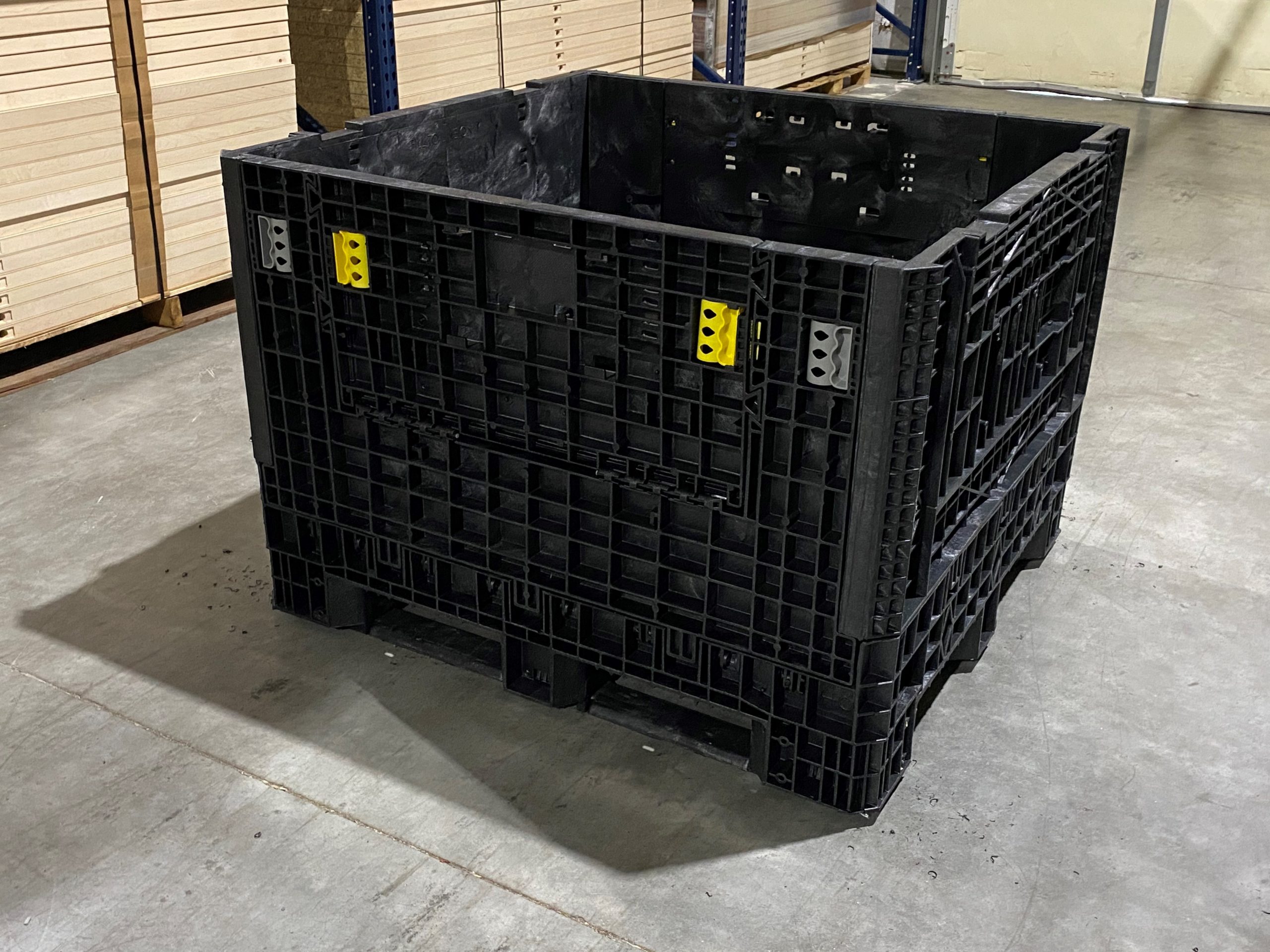
Efficient material handling is vital for optimizing production procedures, as it directly impacts efficiency and cost-effectiveness. Utilizing bulk containers can noticeably simplify procedures by simplifying the movement and storage space of materials. Their style permits simple loading and dumping, lowering the time employees spend handling specific products. This effectiveness not only decreases labor costs but likewise enhances operations, allowing suppliers to react promptly to require fluctuations. In enhancement, mass containers promote better organization within centers, helping with quick access to products and lowering downtime. By carrying out these functional remedies, suppliers can improve general functional efficiency, ensuring that assembly line run smoothly and efficiently while reducing waste and resource expenditure. Subsequently, bulk containers play an essential role in enhancing material handling techniques.
Cost-efficient Storage Space Solutions
As producers seek to optimize their procedures, cost-efficient storage space remedies come to be progressively vital. Bulk containers give a useful methods of storing huge quantities of materials, decreasing the need for numerous smaller sized storage space devices. This combination results in lower supply costs, as mass containers frequently need less handling and cause reduced labor expenditures. In addition, their standardized sizes assist in reliable stacking and storage, making the most of stockroom space. By making use of mass containers, manufacturers can lessen waste and improve the general organization of their facilities. These containers are additionally made for resilience, which can reduce replacement expenses over time. Overall, incorporating bulk containers right into storage space methods permits suppliers to simplify operations while preserving success and effectiveness in their supply chains.
Boosted Manufacturing Operations
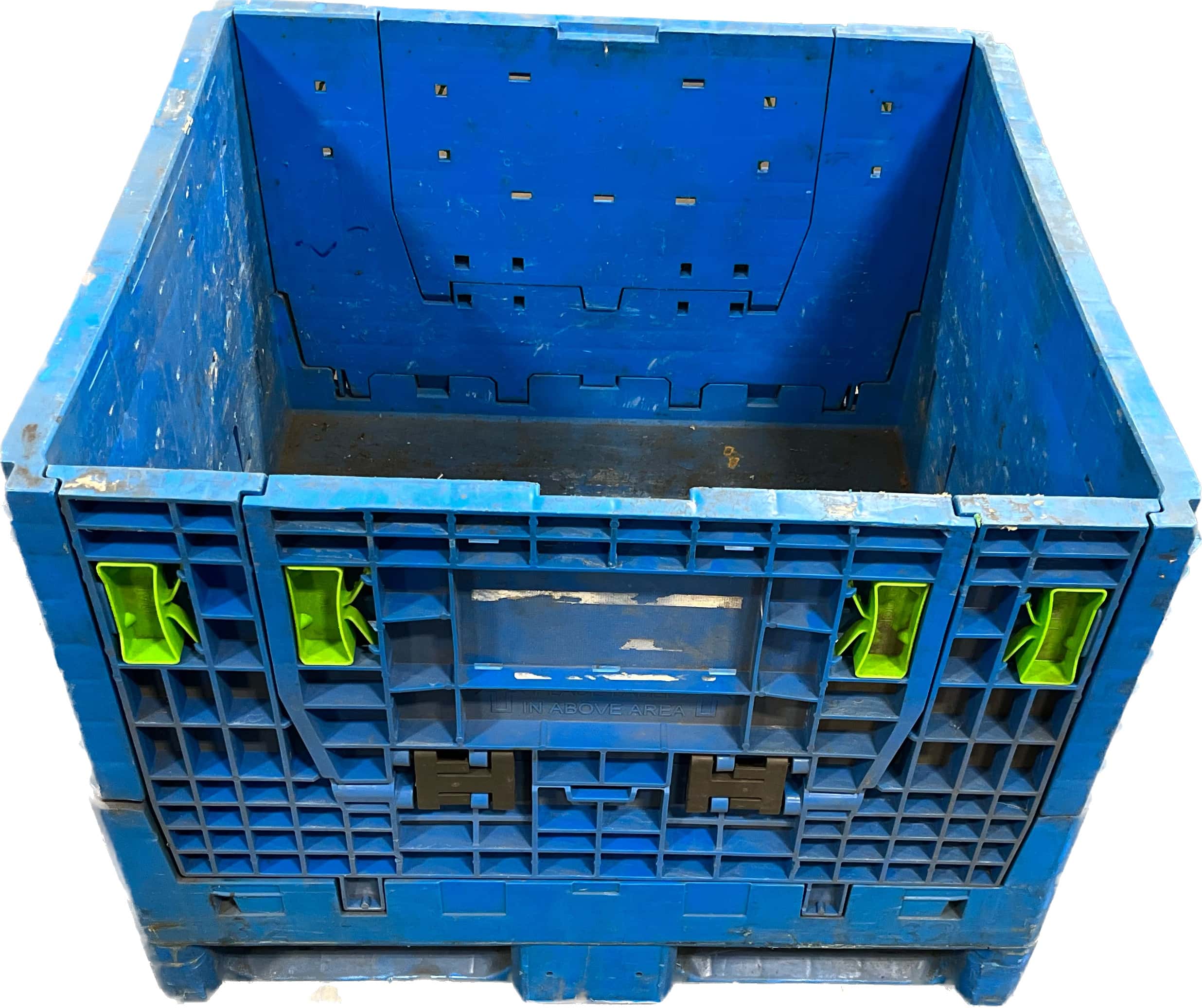
Making use of mass containers considerably improves manufacturing operations by simplifying the monitoring of products throughout the manufacturing process. These containers promote efficient storage space and transportation, decreasing the time invested on dealing with materials. Therefore, manufacturers can achieve quicker turn-around times and lessen hold-ups in production. Mass containers also advertise better company, allowing groups to easily access basic materials when required, which additionally enhances procedures. In addition, the standardized shapes and size of these containers enable optimized use warehouse space, adding to general performance. By integrating mass services into their procedures, firms can improve stock control and minimize waste, eventually causing increased performance and an extra agile manufacturing atmosphere.
Changing Food Service Logistics
The food solution sector is undergoing considerable improvement with the adoption of mass containers, boosting storage space capacities and enhancing space application. Reliable storage space remedies enable organizations to handle stock better, while streamlined transport procedures enhance and reduce costs distribution times. Consequently, these technologies are improving logistics and driving greater effectiveness throughout the field.
Reliable Storage Solutions
Cutting-edge storage space services are transforming food solution logistics by boosting performance and enhancing area utilization. Bulk containers, created for maximum ability, permit food company to reduce squandered area while preserving simple access to products. These containers can be piled and arranged according to inventory requirements, enhancing the storage process. Furthermore, their sturdiness warranties that food products stay safe and safe, reducing perishing and losses. With functions such as modular layouts and compatibility with numerous shelving systems, these containers can adjust to diverse cooking area formats. By using effective storage options, food service operations not just improve operations however also boost general efficiency, assuring that resources are used effectively to fulfill customer demands.
Streamlined Transportation Processes
While numerous factors add to the performance of food service logistics, streamlined transport procedures play a crucial duty in maximizing supply chain operations. The fostering of bulk containers considerably improves the activity of products, allowing for quicker loading and unloading at circulation. Their standardized sizes promote effective piling and storage, minimizing wasted space during transportation. Additionally, bulk containers lower the need for too much packaging, bring about lower costs and lowered ecological effect. By guaranteeing that items are safely carried, they alleviate damages and spoilage, which is crucial in the subject to spoiling food sector. Generally, the combination of mass containers into transportation approaches not just increases operational effectiveness however likewise supports lasting practices within the food solution market.
The Role of Mass Containers in Drug Supply Chains
In the pharmaceutical market, bulk containers play an important role in making certain the secure and efficient transport of basic materials and completed items. These containers are especially made to satisfy stringent regulatory requirements, giving excellent protection versus contamination and deterioration during transit. Their durable construction enables the secure transport of sensitive products, such as energetic pharmaceutical ingredients (APIs) and intricate solutions, while reducing the risk of damage.
In addition, bulk containers facilitate streamlined handling and storage space procedures within storage facilities and manufacturing facilities. Their standardized dimensions enable compatibility with automated systems, enhancing performance and minimizing labor prices. By using mass containers, pharmaceutical firms can accomplish significant price savings via bulk investing in and minimized product packaging waste.
Advertising Sustainability in Product Packaging Practices
The pharmaceutical market's enhancing dependence on mass containers has prompted a more comprehensive exam of sustainability in product packaging techniques across different industries. As companies look for to lower their environmental impact, innovative strategies to packaging have gained traction. Bulk containers, designed for reuse and recycling, provide a practical remedy. Their longevity prolongs item lifecycles, lessening the demand for single-use product packaging.
The shift in the direction of green coverings and naturally degradable materials has actually come to be integral in the style of these containers. This adjustment not just addresses waste decrease yet likewise lines up with customer demand for sustainable products.
Industries such as food and cosmetics are adopting similar methods, identifying that sustainable packaging can improve brand reputation. Joint initiatives in between providers and manufacturers better promote sustainability, motivating the development of closed-loop systems - used plastic containers. Ultimately, embracing sustainable packaging practices is crucial for cultivating a round economic situation and minimizing the environmental impact throughout diverse markets
Cost-Effective Transportation Solutions With Bulk Containers

Moreover, mass containers streamline handling procedures, bring about decreased labor costs and minimizing the threat of damages throughout transportation. Industries such as agriculture, chemicals, and pharmaceuticals take advantage of the durability and robustness of these containers, which can withstand rough conditions while making certain the honesty of their components
The recyclable nature of bulk containers adds to long-term savings, as firms can depend on less, much more sturdy systems rather than regularly replacing single-use product packaging. This way, bulk containers not just enhance effectiveness but likewise sustain total price monitoring in supply chain operations.
Personalization and Adaptability wholesale Container Design
While several bulk containers are designed for basic applications, their modification and adaptability have actually ended up being crucial functions for sectors with unique demands. Makers currently offer a series of options, permitting clients to tailor containers to specific dimensions, materials, and functionalities. This adaptability enables companies to enhance storage space and transport processes, making sure compatibility with numerous handling systems.
The food and pharmaceutical sectors commonly call for containers that meet rigorous hygiene and security standards. Customized layouts may integrate attributes such as tamper-proof seals, easy-to-clean surface areas, and specialized air flow systems. In the agricultural industry, mass containers can be tailored to assist in the transport of diverse commodities, from grains to liquids, improving functional performance.
Eventually, the ability to tailor bulk containers not just boosts efficiency yet additionally supports sustainability initiatives by lessening waste and optimizing resource utilization throughout multiple industries. This flexibility positions bulk containers as functional options in today's dynamic market.
Frequently Asked Questions
What Materials Are Bulk Containers Usually Made From?
Mass containers are commonly made from products such as high-density polyethylene (HDPE), steel, polypropylene, or aluminum. These materials use longevity, resistance to chemicals, and the ability to safely keep and move different items across sectors.
Just How Are Mass Containers Cleaned In Between Uses?
Bulk containers are commonly cleaned up using high-pressure washing, steam cleaning, or chemical sanitization methods (refurbished bulk containers). The cleansing process warranties that deposits are gotten rid of, stopping contamination and maintaining the high quality of components for subsequent uses

Can Mass Containers Be Recycled Multiple Times?
Yes, bulk containers can be recycled several times. Their robust style permits for duplicated use across various applications, offered they are properly cleaned and preserved after each usage to guarantee safety and hygiene requirements.
What Are the Weight Limits for Mass Containers?
Weight restrictions for mass containers commonly vary from 1,000 to 3,000 pounds, depending on the product and design. Specifications may vary by producer, so it is critical to seek advice from guidelines for details container types.
Exist Common Dimensions for Mass Containers?
Yes, there are common dimensions for bulk containers, here typically ranging from 20 to 40 cubic feet. These dimensions promote reliable storage and transportation across various markets, ensuring compatibility with equipment and maximizing space application.
Making use of bulk containers can considerably simplify operations by simplifying the activity and storage of products. In enhancement, bulk containers advertise much better company within facilities, promoting fast accessibility to materials and decreasing downtime. Mass containers provide a useful ways of storing huge quantities of materials, minimizing the demand for several smaller storage systems. The food service market is undertaking substantial improvement with the adoption of bulk containers, improving storage space capabilities and maximizing room use. Bulk containers facilitate structured handling and storage space operations within storehouses and manufacturing centers.